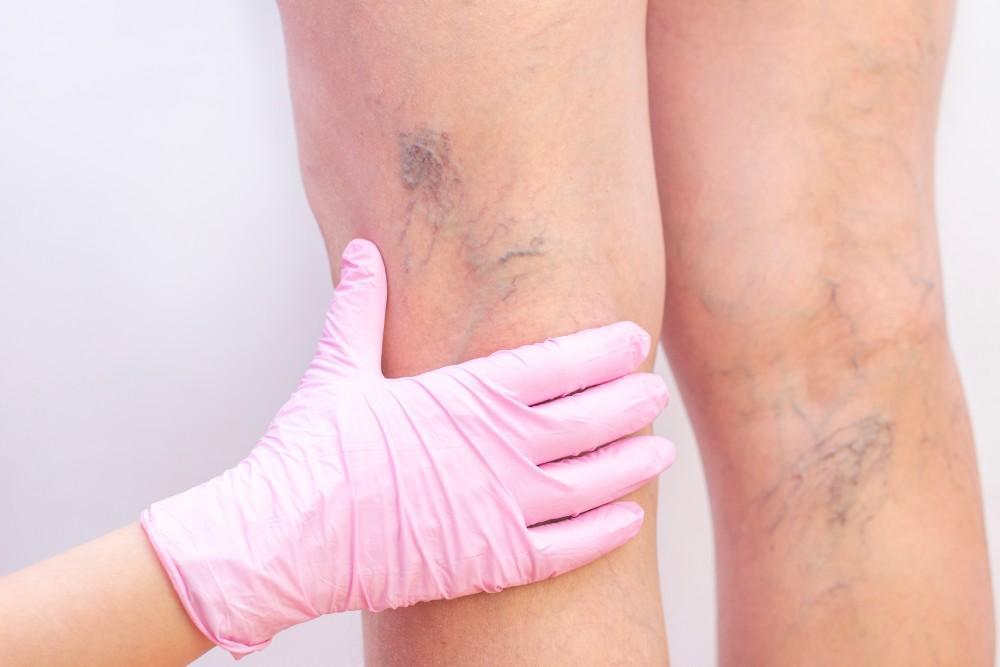
You can tell someone has varicose veins: their veins may look twisted and discolored, especially on the legs. Not all varicose veins cause symptoms, but they can signal a bigger issue like venous insufficiency.
Vein stripping is now a thing of the past, especially with radiofrequency ablation. At Carolina Vein Institute, Dr. Luan Tran and Dr. Rousu An offer RF ablation for varicose vein treatment.
We also offer sclerotherapy and endovenous laser ablation for varicose and spider veins.
What is radiofrequency ablation?
Radiofrequency ablation is an outpatient procedure that uses thermal energy to damage and close off varicose veins. It’s minimally invasive, making it attractive to anyone living with painful or unsightly varicose veins.
RF energy uses gentle heat to seal off the vein and prevent further blood flow. Over several weeks, the closed-off vein shrinks, and the body absorbs it, improving symptoms.
Radiofrequency ablation offers many benefits, especially because it targets only the varicose vein while protecting surrounding tissues. It also delivers excellent results, with a fast recovery period and minimal scarring.
What to expect during treatment
Radiofrequency treatment is a minimally invasive outpatient procedure. We use an ultrasound machine to find the problematic vein and insert a catheter into it.
We then inject an anesthetic medication into the vein wall to keep you comfortable and protect the surrounding tissues. An RF probe fits into the catheter and utilizes radiofrequency heat to damage the vein wall.
The heat causes the vein to eventually collapse, immediately disrupting blood flow. It seals off, stopping blood flow and allowing the body to absorb the vein.
The area is numb during the procedure, so you shouldn’t feel pain. We keep you comfortable to ensure a positive outcome.
How long until I see results?
After radiofrequency ablation, the vein seals off immediately, cutting off blood flow. Most people see noticeable results within the first two weeks after the procedure.
During the first two weeks, you may still see the vein because the body needs to absorb the shrinking vessel. You should also notice a decrease in symptoms like heaviness, swelling, and leg pain.
Over the next four to eight weeks, the vein should become less visible as the body reabsorbs it. Symptoms usually improve further during this time.
Most people get full results within six months of the procedure, depending on how many veins we treated.
Wear fitted compression stockings for the first few weeks to help reduce swelling. We also want you to walk regularly to help prevent deep vein thrombosis (DVT).
Call us at one of our North Carolina offices or visit our website to schedule your consultation for radiofrequency ablation. Begin your journey today toward healthier, more comfortable legs.